Daily press, Trade press, 2026-03-25, 12:00 pm
Henkel relies on CO2-reduced packaging made using bluemint® packaging steel from thyssenkrupp Rasselstein
The packaging steel manufacturer thyssenkrupp Rasselstein is supporting Henkel in further reducing the carbon footprint of its packaging. For tinplate cans used across various product categories, thyssenkrupp Rasselstein supplies CO₂-reduced bluemint® packaging steel. By using this innovative steel, the CO₂ emissions of tinplate packaging can be significantly reduced compared to conventional tinplate.
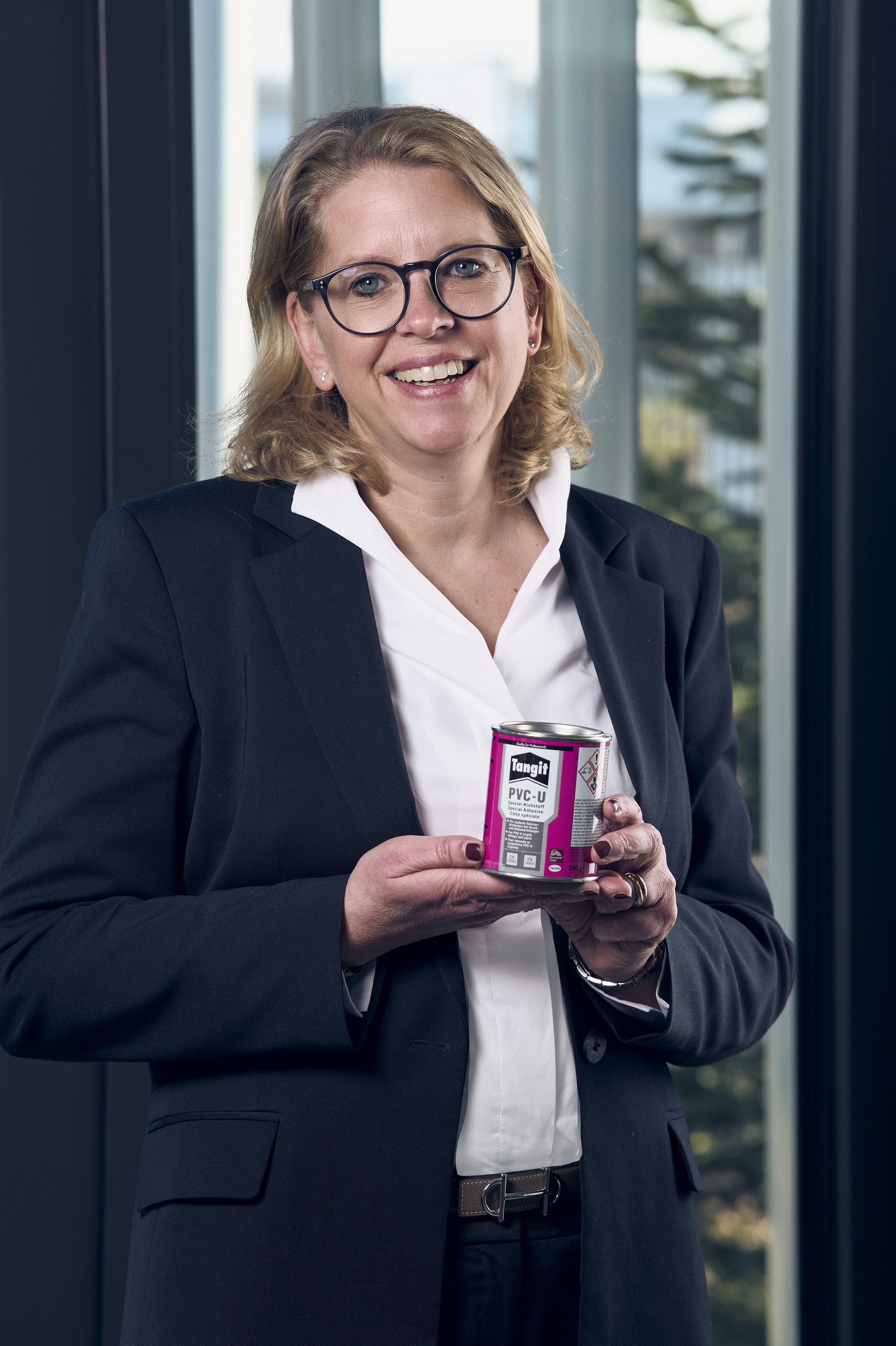
The sustainable packaging concept is based on the collaboration between Henkel’s Adhesive Technologies business unit, thyssenkrupp Rasselstein as Germany’s only tinplate manufacturer, and the metal packaging manufacturer Pirlo. The CO₂-reduced packaging steels are used in particular for tinplate cans containing adhesives for professional tradespeople and consumers, including products marketed under the Tangit brand.
CO₂-reduced packaging steel without compromising quality and performance
With bluemint® Steel, thyssenkrupp Rasselstein offers a product line in which CO₂ emissions are already significantly reduced during steel production. This is achieved by using specially processed steel scrap in the blast furnace, thereby saving CO₂-intensive raw materials. The specific emissions of bluemint® packaging steel are externally verified and certified by DNV.
“With bluemint® Steel, we enable our customers to measurably improve the carbon footprint of their packaging – without compromising on quality, safety or processing performance,” says Clarissa Odewald, CEO of thyssenkrupp Rasselstein. “This collaboration demonstrates how ambitious sustainability targets can be jointly achieved along the entire value chain.”
Packaging steel as a building block for sustainable packaging solutions
Tinplate packaging is already a sustainable solution today: Steel used in packaging can be recycled repeatedly with virtually no material loss and operates within closed-loop material cycles. In Europe, 82 percent of tinplate packaging is recycled – more than any other packaging material. In Germany, tinplate achieves a recycling rate of 94.3 percent in private end consumption – a top figure that clearly underlines the outstanding circularity of packaging steel. The use of CO₂-reduced bluemint® Steel further strengthens this sustainable profile.
thyssenkrupp Rasselstein is pursuing the goal of becoming climate-neutral by 2045 and is thus making an active contribution to the transformation towards a climate-neutral industry.
About thyssenkrupp Rasselstein GmbH
thyssenkrupp Rasselstein GmbH is one of the world's leading suppliers of high-quality tinplate. At its site in Andernach, Germany – the largest facility of its type worldwide – the company has an annual production capacity of up to 1.5m tons of packaging steel. More than 2,000 employees serve international customers across a wide range of markets – from producers of food and pet food cans to manufacturers of aerosol cans, packaging for paints and coatings or containers for hazardous goods, as well as crown corks and closures. This makes thyssenkrupp Rasselstein the first port of call for experts who know exactly what counts in the packaging industry. With the excellent expertise of its employees and thanks to the high efficiency of its innovative packaging steels, the company finds reliable solutions for the diverse requirements of its customers.