
Skip Navigation

Chromium-free passivation for galvanized flat steel – when your applications demand more

Chromium-free passivation

If your applications require the elimination of chromium, we can provide you with a chromium-free, approved passivation for galvanized flat steel – with reliable corrosion protection and technical support from our experts.

Passivation reliably protects galvanized steel surfaces from corrosion and forms the basis for stable downstream processes – from forming to coating. In addition to our proven chromium(III) passivation treatments, we have developed and extensively tested a chromium-free alternative. We use this solution specifically where you need to meet regulatory, internal company, or market requirements for chromium-free surfaces. This allows you to remain flexible without compromising on the quality you expect from thyssenkrupp Steel.

Passivation – the additional protective layer for your galvanized surfaces

After galvanizing, the steel surface is usually coated with a very thin, transparent passivation layer. This layer stabilizes the zinc surface, protects against so-called white rust during storage and transport, and supports downstream processes such as forming and painting.

For you as a user, this means better surface stability, greater process reliability, and more flexibility in logistics and temporary storage—especially in demanding supply chains.

Chromium(III), chromium(VI), chromium-free – what's behind it all?

Chromium-based systems have a long tradition in industrial passivation. Today, passivation based on chromium(III) is predominantly used. Chromium(III) is considered an essential trace element and is regarded as safe in common applications.

Chromium(VI) is much more critical: it is highly toxic and classified as carcinogenic, which is why chromium(VI) compounds are subject to strict regulations in Europe. They have already been largely replaced in many applications.

Chromium-free passivation goes one step further: it completely dispenses with chromium and uses alternative chemical systems. The aim is to meet technical requirements on a permanent basis – while minimizing regulatory risks for your material approvals and delivery approvals.

REACH & Co.: Changes affecting chromium – and what is relevant for you

Chromium is not being banned outright in Europe. The key distinction is between chromium(III) and chromium(VI). Strict approval and restriction rules have already been in place for various chromium(VI) compounds for many years. It is foreseeable that regulatory pressure will continue to increase in this area.

Chromium(III)-based passivation processes are still permitted and are now the standard in many steel applications. At the same time, stricter requirements for chromium(VI) precursors may make the production of such systems more complex and costly – or cause it to shift to regions with less stringent requirements.

For you as a customer, this means that it makes sense to be aware of options that do not use chromium at all in the medium and long term. This gives you leeway to further develop your own material guidelines and sustainability goals.

Standard in steel production – and where chromium-free solutions come into play

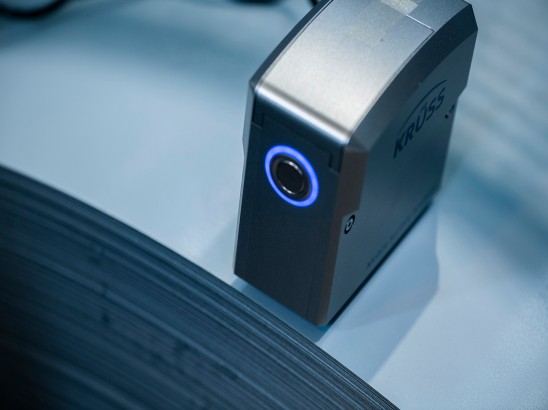
Coil inspection

Chromium(III) passivation is widely used today for galvanized flat steel, whether in coil form or already processed. It offers a proven balance of performance and cost-effectiveness and is established in many supply chains.

Chromium-free passivation comes into play primarily when you

  • implement internal guidelines for avoiding chromium,
  • have to meet particularly strict requirements in certain markets or industries, or
  • want to consistently ensure sustainability goals and product claims (“chromium-free,” “without chromium compounds”).

With our chromium-free passivation, we offer you a proven option for precisely these cases.

Our chrome-free passivation – tested, approved, ready for your applications

As part of a development project, thyssenkrupp Steel has comprehensively tested a chrome-free passivation for galvanized flat steel. Corrosion protection, surface stability, and suitability for downstream processes were examined in laboratory and practical tests. The system has been approved and can be used for defined applications.

We currently use chrome-free passivation specifically where you have to meet specific requirements for chrome-free surfaces. Due to the chemicals used, passivation is currently more cost-intensive than our established chromium(III) passivation processes. We therefore provide you with individual advice on whether and where it makes sense to use it for your components and supply chains.

In the field of packaging steel, thyssenkrupp Steel has many years of experience with chrome-free passivation. We use this expertise to reliably design solutions for other applications as well.

Comparison of chromium(III) passivation and chromium-free passivation

Depending on the application, either chromium(III) passivation or chromium-free passivation may be the right choice. The following overview will help you make an initial assessment:

Regulatory perspective

  • Chromium(III) passivation: Currently permitted and established, but indirectly affected by regulatory developments in the context of chromium(VI) precursors.
  • Chromium-free passivation: Complete elimination of chromium; particularly robust option in the long term with regard to future tightening of regulations.

Corrosion protection and performance

  • Chromium(III) passivation: Proven over many years in numerous applications, clearly defined process windows.
  • Chromium-free passivation: Corrosion protection and technical properties have been tested in practice; suitability is assessed together with you on an application-specific basis.

Expenses

  • Chromium(III) passivation: Currently the more economical standard solution.
  • Chromium-free passivation: Currently more expensive due to the chemicals used; targeted use in clearly justified cases.

Application scenario

  • Chromium(III) passivation: Standard for many galvanized flat steel products from thyssenkrupp Steel.
  • Chromium-free passivation: Option for customers with specific regulations, sustainability programs, or market requirements for chromium-free surfaces.

Technical performance

Passivation Tribology Gluing Welding Painting
Cr-III Under unfavorable forming conditions, they can lead to slightly varying friction coefficients and thus to fluctuations in the processing process. Adheres well. The strength of joints is comparable to that of non-passivated surfaces. Resistance welding is possible with acceptable weld areas. Compared to non-passivated surfaces, the weld spots look slightly worse and the electrodes need to be reworked more frequently. The adhesion of powder coatings, for example, is guaranteed. Normal loads do not lead to significant delamination.
Cr-free Friction coefficients are reduced and the low level is maintained even under multiple loads and tribologically unfavorable conditions (robust process). The properties of the joints are comparable to those of surfaces with Cr-III passivation. With standard welding parameters, the results are comparable to those of Cr-III passivation. Powder coating adhesion is also guaranteed and is even less affected by unfavorable conditions (e.g., moisture exposure).

Working together to find the right solution

The switch to chrome-free passivation often affects several stages of the value chain – from the selection of steel to surface treatment and end use. That's why we support you not only with materials, but also with advice.

Together with you,

  • we check the suitability of chrome-free passivation for your specific components,
  • plan comparative tests with existing systems,
  • provide support for questions relating to forming, coating, and corrosion protection tests, and
  • upon request, provide the relevant technical information for your internal approval processes.

This gives you a solution that fits your business technically, economically, and in terms of regulations.

To the top